yes

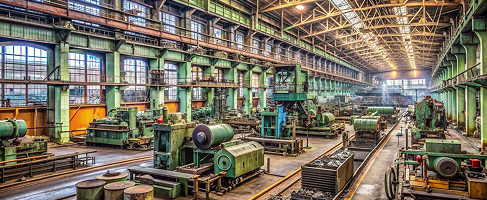

The Heavy Equipment Manufacturing Plant experienced high downtime due to reactive maintenance practices. Spare parts tracking was inefficient, leading to longer repair cycles. Large-scale equipment assembly required better coordination across departments. Delays in assembly and testing phases increased operational costs...
Predictive maintenance software and IoT-enabled equipment monitoring were implemented. Spare parts inventory was digitized for faster access and reduced downtime. Cross-department collaboration tools streamlined assembly workflows. The plant achieved a 25% reduction in downtime and improved overall equipment effectiveness (OEE).
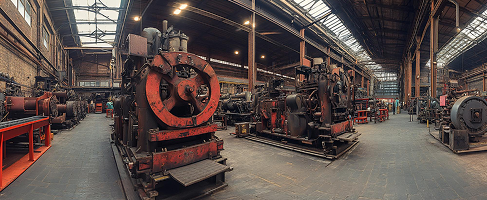
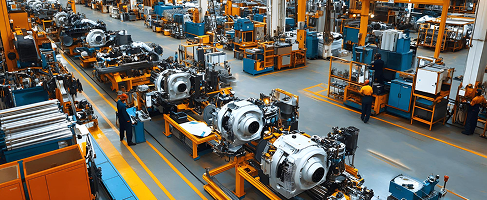
The Industrial Machinery Production Unit faced bottlenecks due to outdated production planning systems. Lack of integration between procurement, production, and warehouse teams caused workflow inefficiencies. Excess inventory in some areas and shortages in others created financial imbalance. These issues led...
A smart production planning system was deployed to synchronize procurement, manufacturing, and warehouse operations. Data-driven demand forecasting optimized inventory levels. Workflow automation reduced manual coordination gaps. This resulted in a 30% reduction in lead time and improved operational transparency.


The Precision Aerospace Components Manufacturer struggled with maintaining tight tolerances and strict regulatory compliance requirements. Manual inspection processes slowed production cycles and increased the risk of human error. Supply chain disruptions affected critical component availability. As a result, production timelines...
Advanced CNC automation and digital inspection systems were introduced to ensure precision and compliance. Real-time production monitoring enhanced traceability for regulatory audits. Supply chain integration improved component availability and reduced delays. The manufacturer achieved 99% quality accuracy and faster certification approvals.
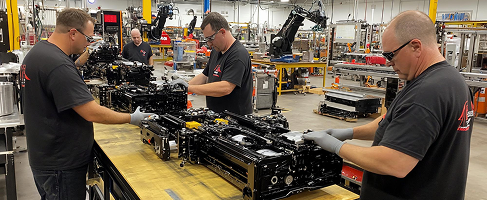
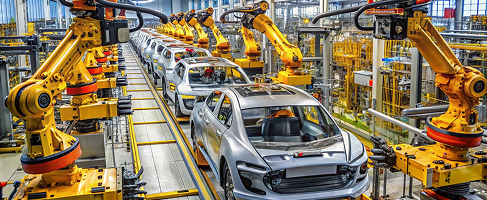
The Global Automotive Supplier was facing production delays due to inconsistent raw material supply and lack of real-time visibility into inventory levels. Frequent machine downtime and inefficient production scheduling caused missed delivery deadlines. Quality control issues were increasing rejection rates...
An integrated ERP system was implemented to provide real-time visibility into inventory, procurement, and production planning. Predictive maintenance tools reduced machine downtime significantly. Automated quality control systems improved defect detection early in the process. As a result, on-time deliveries improved by 35% and production efficiency increased substantially.